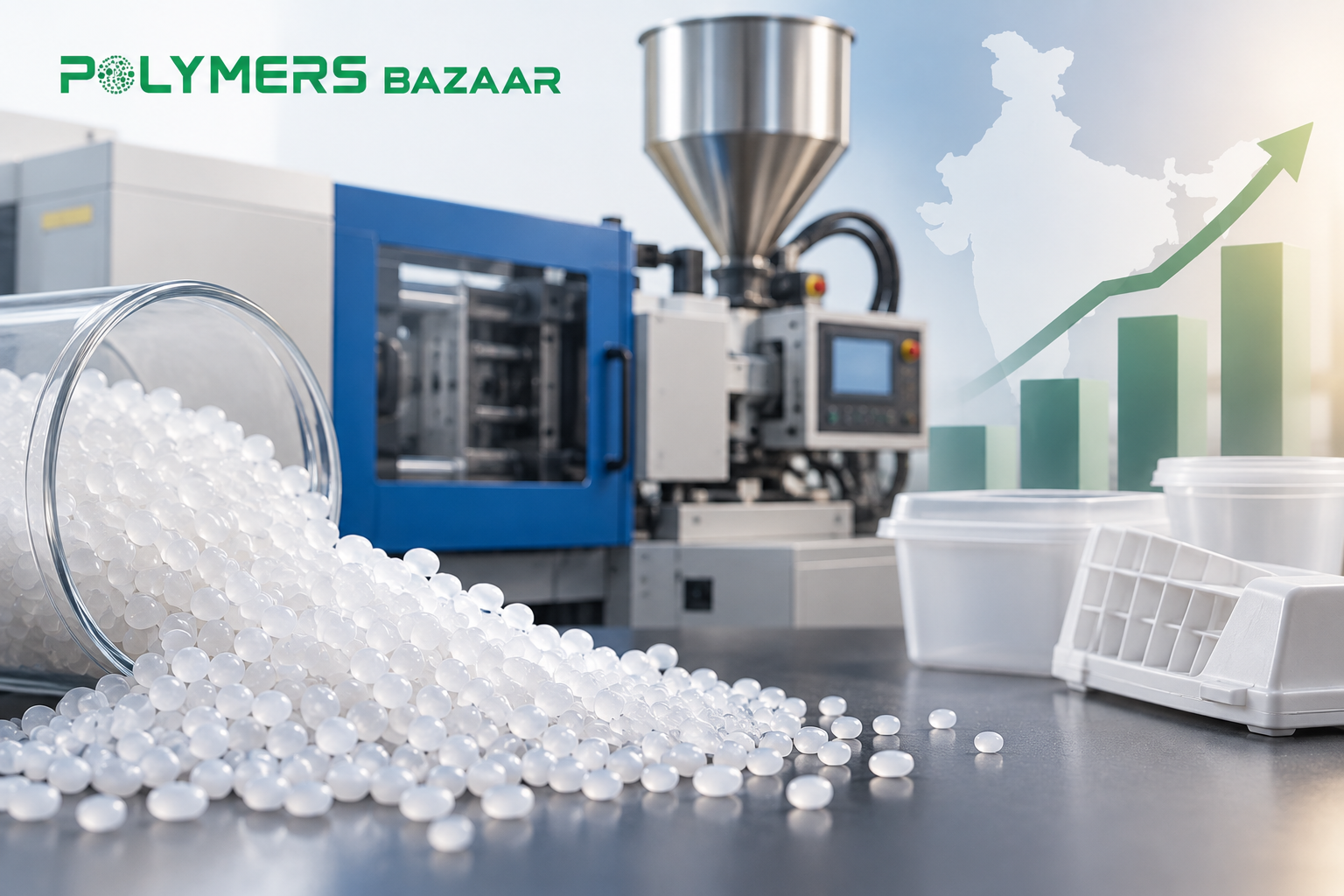
Polypropylene Injection Molding Price in India Guide
Procurement teams often end up staring at
two PP molding quotes that differ by 30%, wondering which one is
"real." Usually neither is wrong, they're just built on different
assumptions about resin rate, mold complexity, and volume. If you're budgeting
a PP injection molding project in India, or figuring out why your last quote
jumped, here's what actually moves the number.
What Is Polypropylene Injection Molding?
Polypropylene injection molding is a process
where PP resin, a lightweight thermoplastic made mainly from propylene, is
heated, injected into a metal mold under pressure, and cooled into a finished
part. PP is valued for chemical resistance, moisture resistance, and a good
strength-to-flexibility balance, which is why it turns up in packaging,
automotive parts, and household goods. It's also generally the most
budget-friendly commodity resin in injection molding, which is why it's the
default choice for so many Indian manufacturers.
Why Polypropylene Injection Molding Price Varies So Much in
India
There's no fixed polypropylene
injection molding price in India because the inputs keep moving.
PP resin pricing in India ranged roughly ₹85 to ₹120 per kg through most of
2025, and some current 2026 estimates put it closer to ₹150 to ₹180 per kg,
depending on feedstock costs and supply conditions. India's injection molded
plastics market is also growing fast, from around USD 27.8 billion in 2024
toward a projected USD 38.1 billion by 2030, adding its own pricing pressure.
Every project also carries its own mix of tooling, labor, and finishing costs,
so two "PP parts" can land at very different price points even with
identical resin.
Key Factors Affecting Polypropylene Injection Molding Price
in India
1. Raw material cost. Resin is typically 30 to 50% of part cost and moves with crude oil and
propylene feedstock, so a quote is only as good as its date.
2. Tooling and mold complexity. Simple molds run ₹2 to 8 lakh, multi-cavity molds ₹8 to 15 lakh, and
high-precision molds with hot runners or slides can cross ₹30 lakh. Each slide
for an undercut adds roughly ₹1 to 3 lakh.
3. Production volume. The biggest lever most buyers underestimate. A simple PP part might cost
₹15 to 50 a piece at 1,000 to 5,000 units a year, dropping to ₹1 to 10 past
100,000 units, as tooling cost spreads thinner.
4. Part complexity and tolerance. Thin walls, tight tolerances, and cosmetic finish requirements push up
both tooling cost and cycle time.
5. Duties on imported resin. Imported PP attracts roughly 18% GST plus 7.5 to 10% customs duty,
though FTAs with countries like South Korea can bring duty near zero for
eligible shipments.
Typical Price Ranges
As a rough anchor: mold cost runs ₹2 to
30 lakh or more, a simple high-volume PP part costs ₹2 to 8 per piece, and a
low-volume engineering part can run ₹25 to 60 or higher. A ₹5 lakh mold spread
across 5 lakh parts adds just ₹1 per piece; across 20 lakh parts, that drops to
₹0.25. Tooling is an investment, not a flat expense.
Common Mistakes That Inflate Costs
The costliest mistake is locking in
tooling before a design-for-manufacturing review, since geometry changes after
cutting the mold get expensive fast. Close behind: over-specifying material,
and sourcing from a single supplier without checking current rates. Skipping
the landed-cost math on imported resin is another quiet budget-buster.
Practical Recommendations for Controlling Costs
- Get a DFM review before tooling. Small
fixes here can cut mold cost by 20 to 30%.
- Right-size
your material. Don't pay for PA6 or PC
performance a PP part doesn't need.
- Plan
volume honestly. Your real annual quantity
determines which tooling investment makes sense.
- Compare
resin sources actively. Platforms like Polymers
Bazaar let buyers compare live PP prices across verified sellers and buy
on credit, which matters for understanding the true cost of polymer procurement rather
than trusting a single quote.
- Account for full landed cost. Factor duty
and GST into any imported-resin comparison, not just the per-kg price.
Key Takeaways
●
Resin price alone can swing your
quote 20% or more in a year, so confirm current rates.
●
Tooling matters less than people
assume once volume is high enough.
●
A DFM review is the
highest-leverage step before committing to a mold.
●
Comparing verified resin sources
protects margin as much as design does.
Conclusion
There's no shortcut to a reliable
polypropylene injection molding price in India. It comes from stacking accurate
resin pricing, realistic volume planning, and a mold designed right the first
time. Teams who treat sourcing and design as one decision consistently land
better quotes than teams chasing the lowest number in isolation.
FAQs
What is the average polypropylene
injection molding price in India?
There isn't one: tooling runs ₹2 to 30
lakh, and per-part cost falls between ₹1 and ₹60 depending on volume and design.
Why does PP resin price change so
often?
PP comes from propylene, a crude oil
derivative, so it tracks global oil, feedstock, and regional supply-demand
shifts.
Is PP the cheapest resin for injection
molding?
Among common commodity resins, yes, though
your part's mechanical needs should still drive material choice.
How much does a mold cost in India?
Simple molds start around ₹2 lakh,
multi-cavity molds run ₹8 to 15 lakh, and complex molds can exceed ₹30 lakh.
Does higher volume always lower
per-part cost?
Generally yes, since tooling spreads
across more parts, most noticeably past a few lakh units a year.
Do imported PP granules cost more than
domestic supply?
Often, once GST, customs duty, and
freight are added, unless an FTA rate applies.
What's the biggest mistake buyers make
when budgeting for PP parts?
Locking in tooling before a DFM review,
which usually means paying to fix avoidable issues later.
How can I get better PP pricing
without compromising quality?
Compare verified sellers instead of one
quote, plan volume accurately, and match material choice to real requirements.